
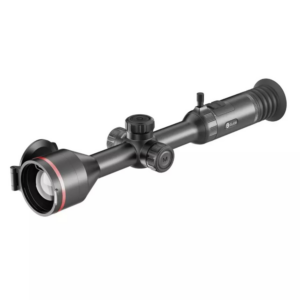

Thermal imaging sight or clip-on device – which is better?
12.05.26
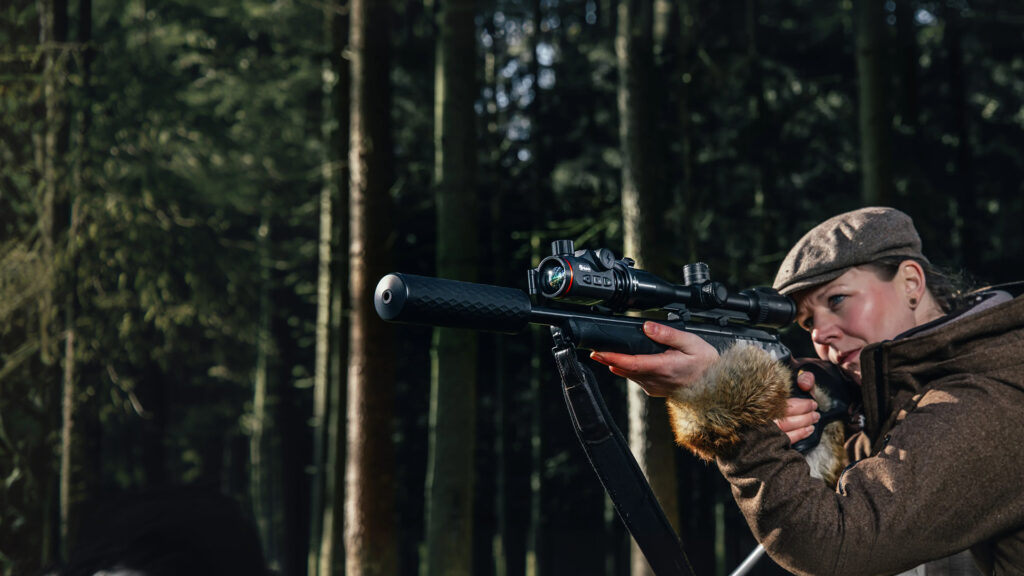
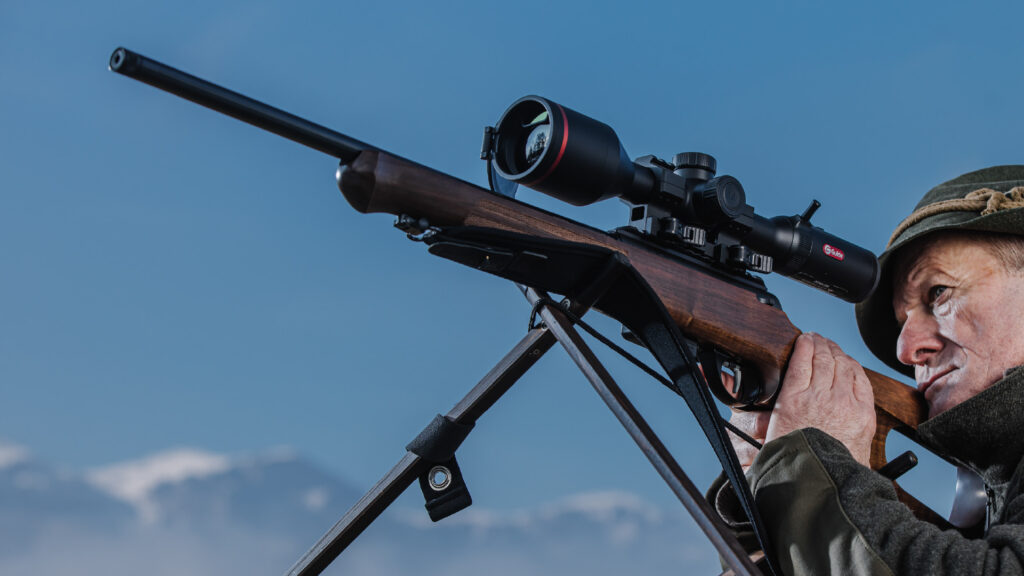
Thermal imaging clip-on device or thermal imaging sight – which is right for your hunt?
Two techniques are currently vying for the favor of hunters. On the one hand, there is the thermal imaging attachmentYou simply place it in front of your usual scope. On the other side is the thermal imaging target deviceHere, reticle and thermal imaging technology are combined in a single device, entirely without a separate day optic. Both systems now deliver a very good picture qualityThe difference lies elsewhere: in the handling, the flexibility, and the legal situation. We, the team at Venari Both systems are used by hunters, even in the field. In this article, we'll show you the differences, straight to the point and without marketing jargon.
Overview at a glance
In practice, four criteria determine the right choice. We have summarized them for you.
Legal situation: What you are currently actually allowed to buy and use
Since the amendment to the weapons law, hunters with a valid hunting license are allowed to thermal imaging attachment Acquire, own, and use while stalking. The prerequisite is a device without its own light source and without its own reticle. The respective state hunting law regulates which [the following applies]. Wild They are allowed to use the device. In most German states, its use is prohibited for black marketeers.wild released. thermal imaging target device However, weapons with their own integrated reticle remain prohibited under the Weapons Act. The Federal Council has already approved an amendment to the law; the Bundestag still needs to decide. A date for their legalization has not yet been set.
Currently, only purchase and mount thermal imaging clip-on devices on your firearm. Possession of a thermal imaging sight with an integrated reticle is currently a criminal offense in Germany and will invalidate your firearms license. Check the current legal situation in your state before making any purchase.
Balance and handling – the noticeable difference when hunting from a stand
A thermal imaging sight weighs almost the same as a standard riflescope. The weapon's balance remains constant. You grip the weapon as usual. With a clip-on sight, additional weight is added in front of the muzzle. A suppressor amplifies this effect. The weapon then pulls slightly forward. You'll notice this when stalking and quickly shouldering the rifle. It's not a problem, but it is a minor disadvantage. The controls are positioned differently on the two systems. On the sight, the dial and menu button are close to the eye, just like on a daytime riflescope. With a long clip-on sight on a long riflescope, however, you have to reach far forward.
Zeroing in – two completely different systems
With a clip-on thermal imager, you shift the thermal image pixel by pixel into the optical axis of your riflescope. This means two systems are aligned. If anything changes mechanically, the point of impact also changes. With a scope-mounted thermal imager, on the other hand, you only move the reticle on a single, continuous image. There's no second plane that can drift out of alignment. This makes zeroing with a scope-mounted thermal imager somewhat more predictable. Both systems can now usually be conveniently adjusted via an app, directly from the shooting position.
When using a front-mounted device, fire a short test shot after each removal and reattachment. This is the only way to ensure a clean shot placement for the next stalk.
Fail-safe operation – what happens in case of an empty battery or defect
If the battery in the clip-on device fails, simply continue using your regular riflescope. The image will be darker, but you'll still be able to see something. If the battery in the riflescope fails, you won't see anything at all. A second optical system is completely absent here. Anyone spending many hours in a hunting blind should factor this in. A spare battery should be kept in your backpack for both systems.
A system for all weapons or a dedicated night weapon?
Even after a possible approval of the target devices, thermal imaging technology may likely only be used for black.wild, robberywild and introduce invasive species. Roe deerwild or redwild They remain off-limits. This means that you need two reticles anyway when transitioning from day to night. The clip-on device solves this elegantly. You hunt during the day with your usual daytime optics and simply clip the clip-on device onto it in the evening. With the scope, on the other hand, you are choosing one dedicated night weaponYou will also need a second weapon for the day. Both methods work in the hunting area; both have proven effective in practice.
Telephone and on-site consultation
Feel free to contact us for advice regarding thermal imaging aiming technology or clip-on systems and gain a practical overview. I'm a hunter. When you come to see me, you won't be talking to a salesperson – but to someone who actually uses the equipment in the field. There's a hunting blind right next to the showroom. Take a seat, try out the device – and look out. That's how you'll really see how it performs. I'll take my time with you. Therefore, I kindly ask you to schedule an appointment beforehand.
Yours sincerely, Jens Dewenter Venari Hunting, Rastede


