
Immediately ready for shipment
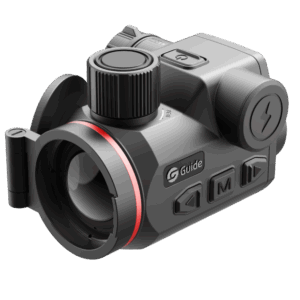
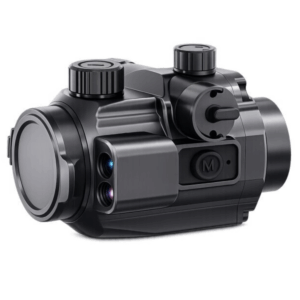
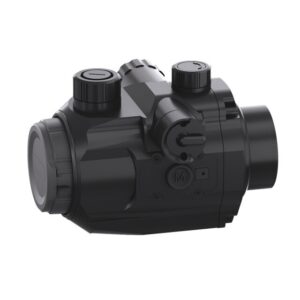
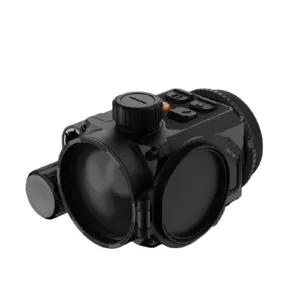
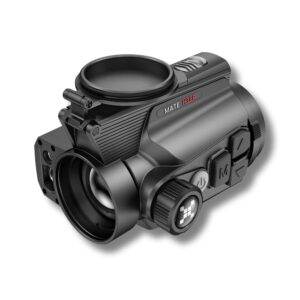
ThermTec Hunt 635 Pro
Original price was: €2.429,001.849,00 €Current price is: €1.849,00.

PayPal uses Google reCAPTCHA to secure payments. ( More information )


You are currently viewing placeholder content from Vimeo . To access the actual content, click the button below. Please note that this will involve sharing data with third parties.
More informationYou are currently viewing placeholder content from YouTube . To access the actual content, click the button below. Please note that this will involve sharing data with third parties.
More informationYou need to load the reCAPTCHA content to submit the form. Please note that this involves exchanging data with third-party providers.
More informationYou are currently viewing placeholder content from Google Maps . To access the actual content, click the button below. Please note that this will involve sharing data with third parties.
More informationYou are currently viewing placeholder content from Mapbox . To access the actual content, click the button below. Please note that this will involve sharing data with third parties.
More informationYou are currently viewing placeholder content from OpenStreetMap . To access the actual content, click the button below. Please note that this will involve sharing data with third parties.
More informationYou are currently viewing placeholder content from Instagram . To access the actual content, click the button below. Please note that this will involve sharing data with third parties.
More informationYou are currently viewing placeholder content from Google Maps . To access the actual content, click the button below. Please note that this will involve sharing data with third parties.
More information